
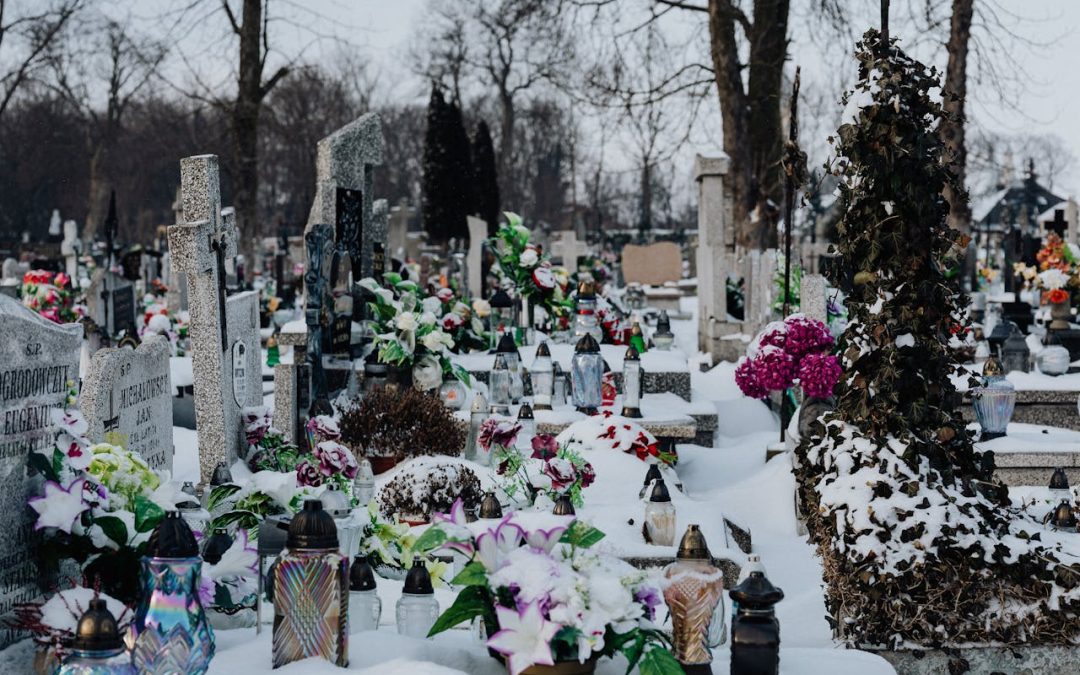
Granite is one of the most durable materials on Earth. It has been used for centuries to create lasting tributes to loved ones because of its incredible strength and natural beauty. However, even a stone as resilient as granite is not entirely immune to the forces of nature. As the temperatures drop and the snow begins to fall, the harsh winter climate can take a toll on memorial markers.
At Shastone Memorials, we understand that a headstone is more than just a piece of stone; it is a lasting legacy. Taking a few proactive steps to protect granite headstones from winter weather can ensure that your loved one’s memorial remains in pristine condition for generations to come.
Understanding the Freeze-Thaw Cycle
The primary enemy of any natural stone during winter is moisture. Granite is naturally porous, meaning it contains microscopic holes. When rain or melting snow enters these pores and then freezes, the water expands. This expansion creates internal pressure within the stone.
When the ice melts and refreezes repeatedly throughout the season, it is known as the freeze-thaw cycle. Over many years, this process can lead to small cracks or a loosening of the stone’s surface. While high-quality granite is very resistant to this, existing small fissures can grow if they are not monitored.
How to Protect Granite Headstones from Winter Weather: The Importance of Fall Preparation
The best time to protect a headstone is before the first hard freeze. We recommend a gentle cleaning in the late autumn to remove any organic matter. Leaves, bird droppings, and moss can trap moisture against the surface of the granite. If these materials remain on the stone during winter, they can contribute to staining or facilitate the growth of lichen when spring arrives.
When cleaning, always use plain water and a soft-bristle brush. Avoid using any harsh chemicals, household cleaners, or power washers. These can strip away the polished finish of the granite or force water deeper into the pores of the stone, which actually increases the risk of damage during a freeze.
Beware of De-Icing Salts
One of the most common causes of winter damage to headstones is the salt used to clear cemetery paths and walkways. While these salts are necessary for safety, they are highly corrosive to natural stone. When snow melts, salt-laden water can splash onto the base or the face of the headstone.
As the water evaporates, the salt stays behind and can crystallize within the pores of the granite. This process, known as subflorescence, can cause the surface of the stone to flake or peel. If you visit a memorial during the winter and notice salt residue, you can gently wipe it away with a dry, soft cloth, but avoid using water if the temperature is below freezing.
Should You Cover a Headstone?
Many people wonder if they should wrap or cover a headstone with plastic or a tarp during the winter months. In most cases, the answer is no. Covering a stone can actually do more harm than good.
Plastic covers can trap moisture underneath, creating a greenhouse effect. This trapped moisture, combined with the lack of airflow, can encourage the growth of mold and mildew. It also forces the stone to stay damp for longer periods, which exacerbates the freeze-thaw cycle. Granite is designed to breathe and should be allowed to endure the elements naturally.
How to Protect Granite Headstones from Winter Weather: Checking for Structural Integrity
Before the ground freezes solid, it is a good idea to check the stability of the monument. Winter weather can cause the ground to shift or heave. If a headstone is leaning or if the base appears unstable, the weight of heavy snow or the movement of the frozen earth could cause it to tilt further or even fall.
If you notice any significant shifting, it is best to contact a professional. At Shastone Memorials, we can assess the foundation and ensure the monument is secure before the deep winter sets in.
By taking these simple precautions, you can protect the integrity and appearance of a granite headstone. A little bit of care in the autumn goes a long way in preserving a beautiful tribute throughout the coldest months of the year. Contact Shastone Memorials today if you have questions about maintaining your family monument.